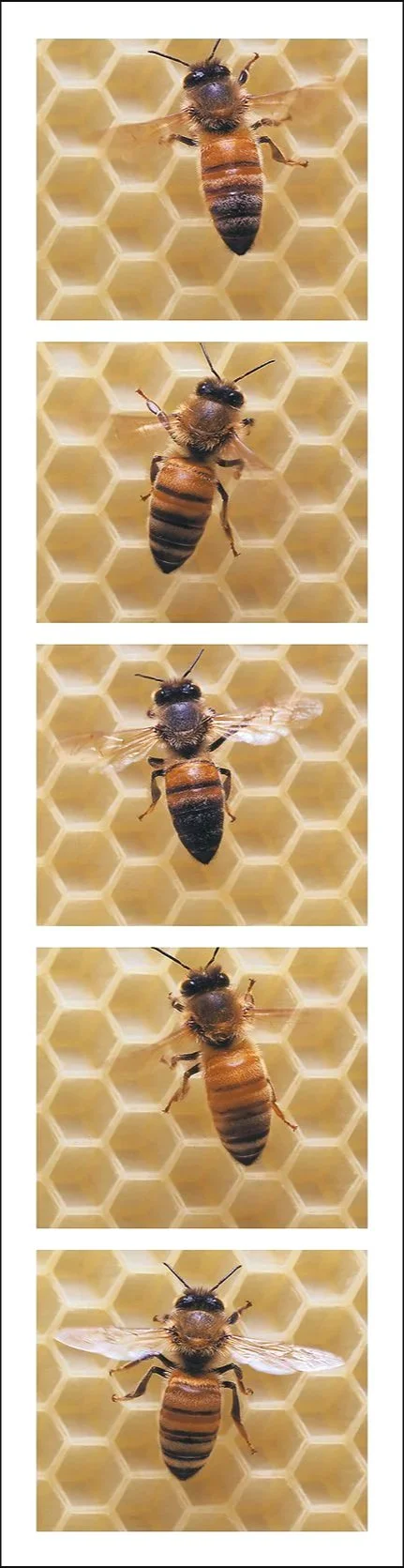
api-index 5.1, fly 1998, cibachrome, 73"x19", digital print, 17"x4.5" all bees are sister/workers from one hive
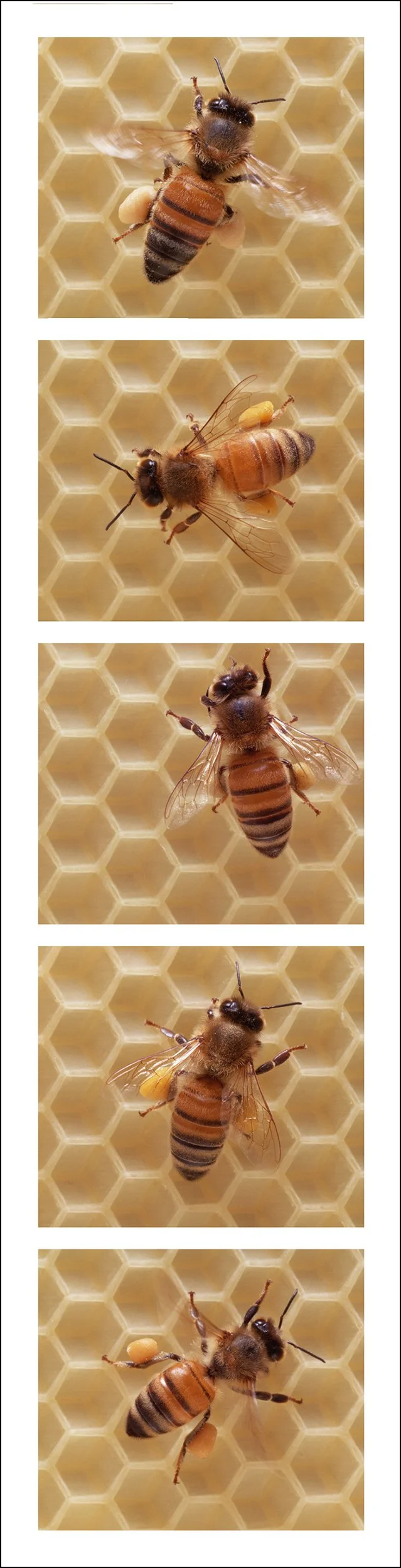
api-index 5.2, yellow pollen, 1998, cibachrome, 73"x19", digital print, 17"x4.5" all bees are sister/workers from one hive
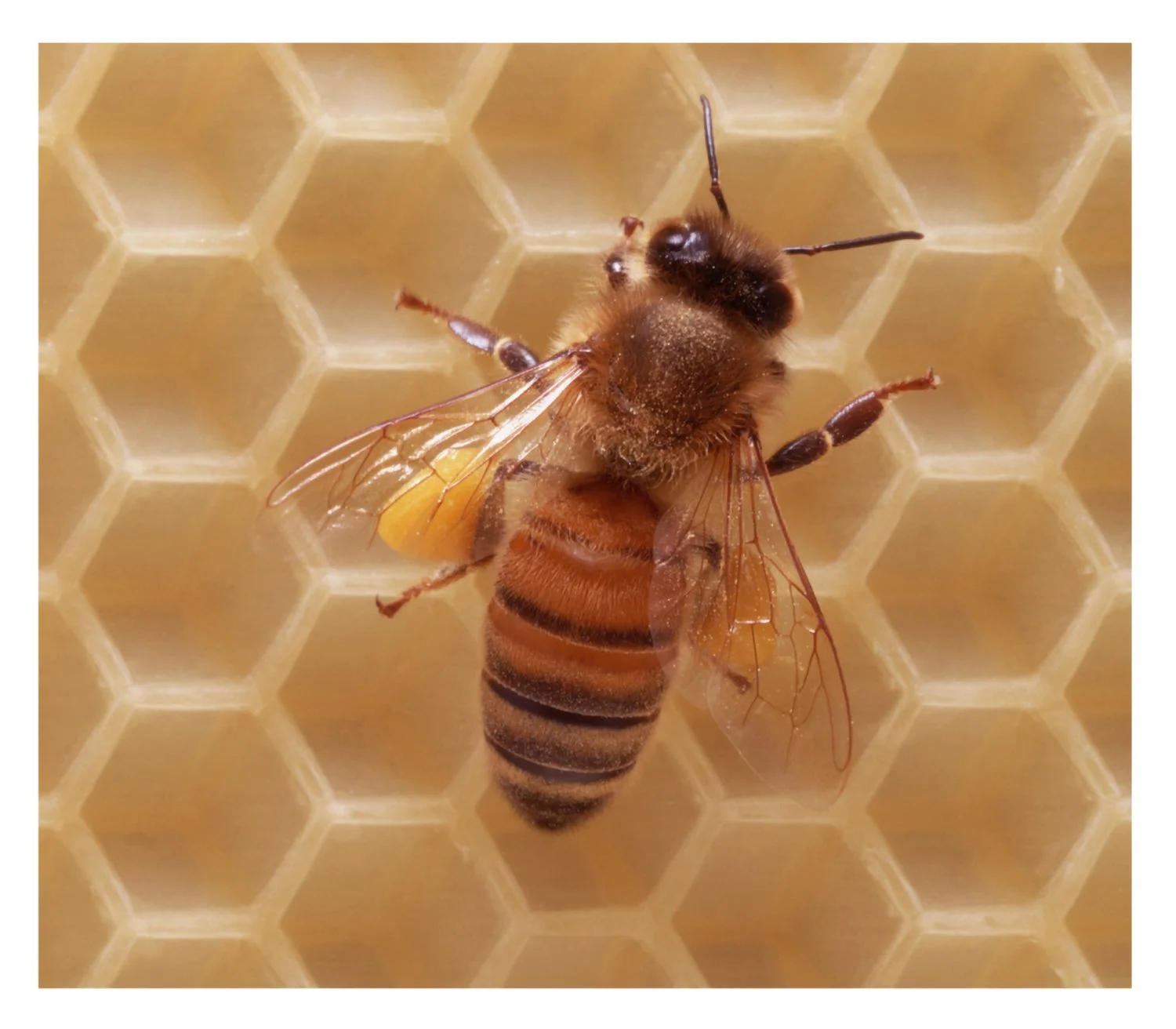
detail api-index, 5.2
api-index 5.5, clean, 1999, c-print, 73"x19", digital print, 17"x4.5" all bees are sister/workers from one hive
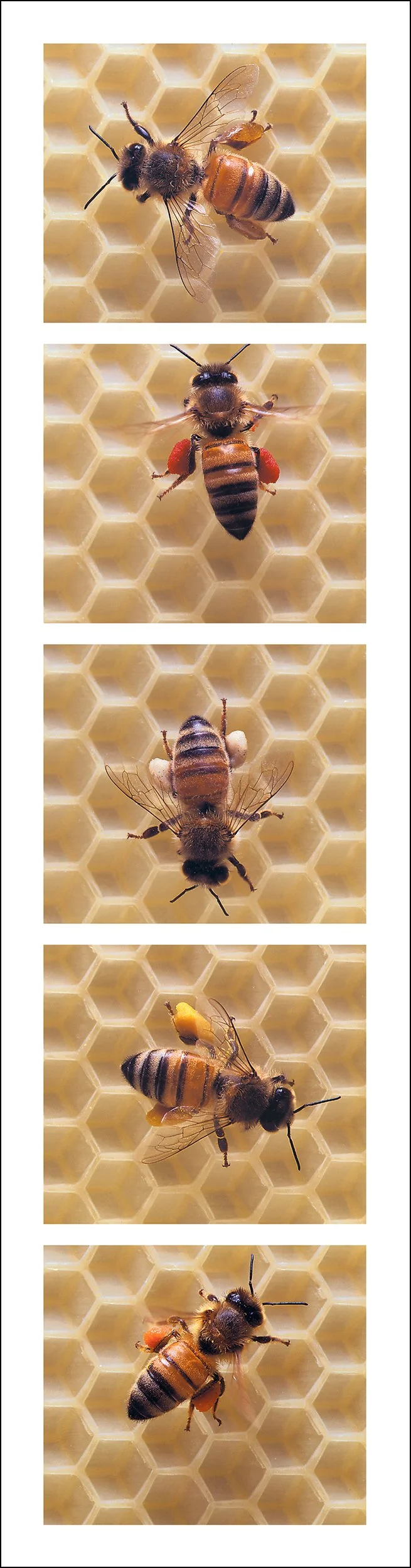
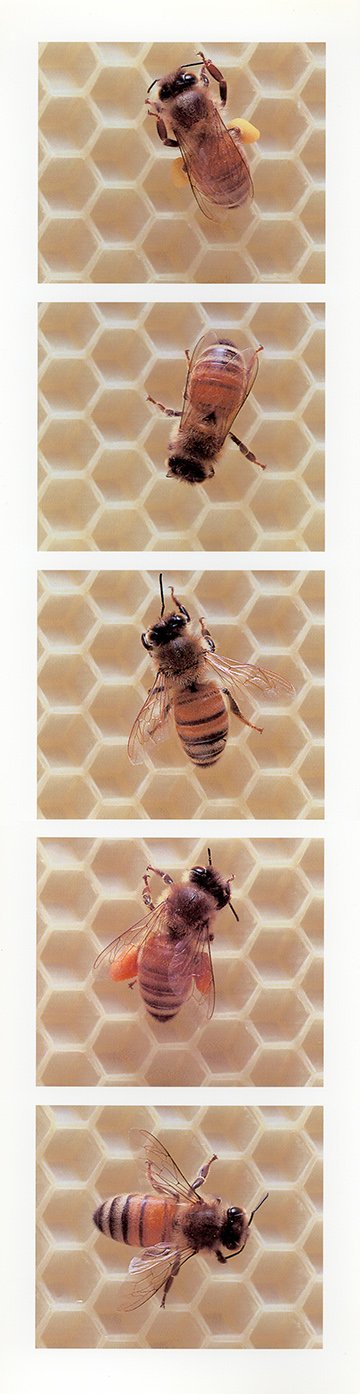
api-index 5.3, colored pollen, 1999, c-print, 73"x19", digital print, 17"x4.5" all bees are sister/workers from one hive
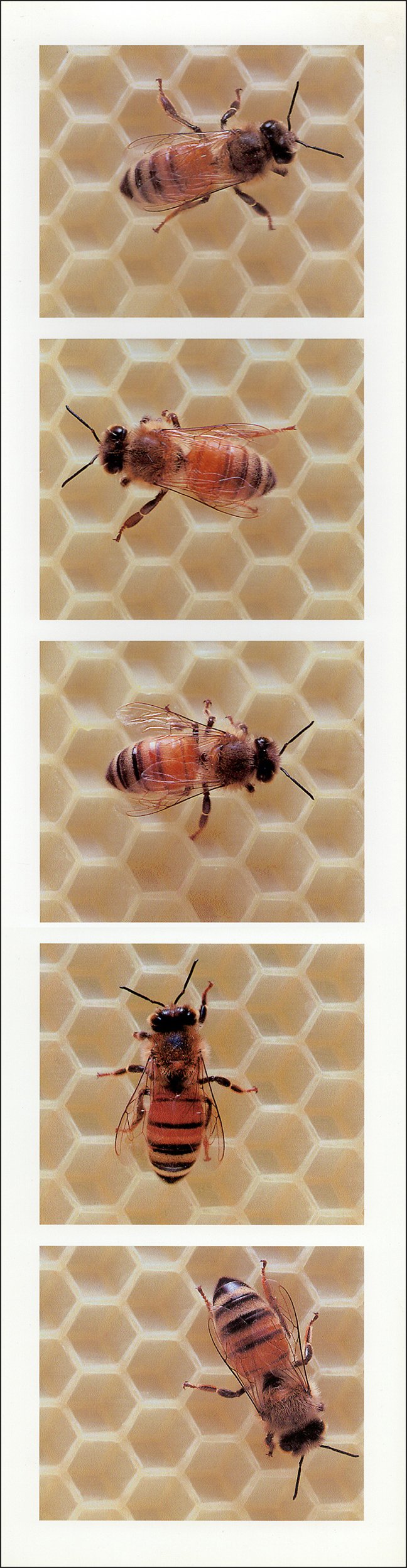
api-index 5.7, young 1999, digital print, 17"x4.5" all bees are sister/workers from one hive
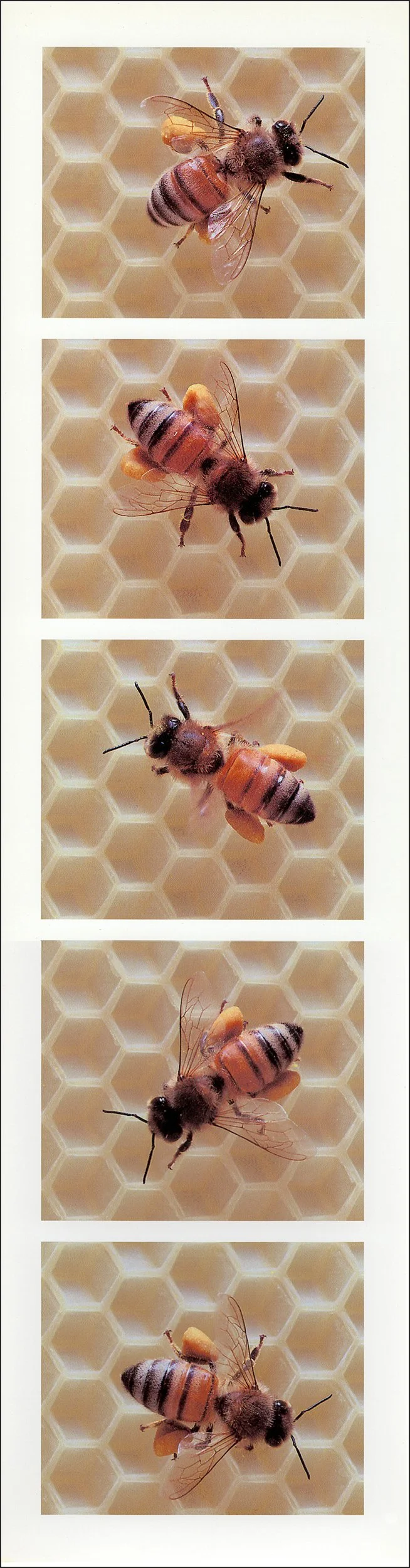
api-index 5.6, big yellow pollen, 1999, digital print, 17"x4.5" all bees are sister/workers from one hive
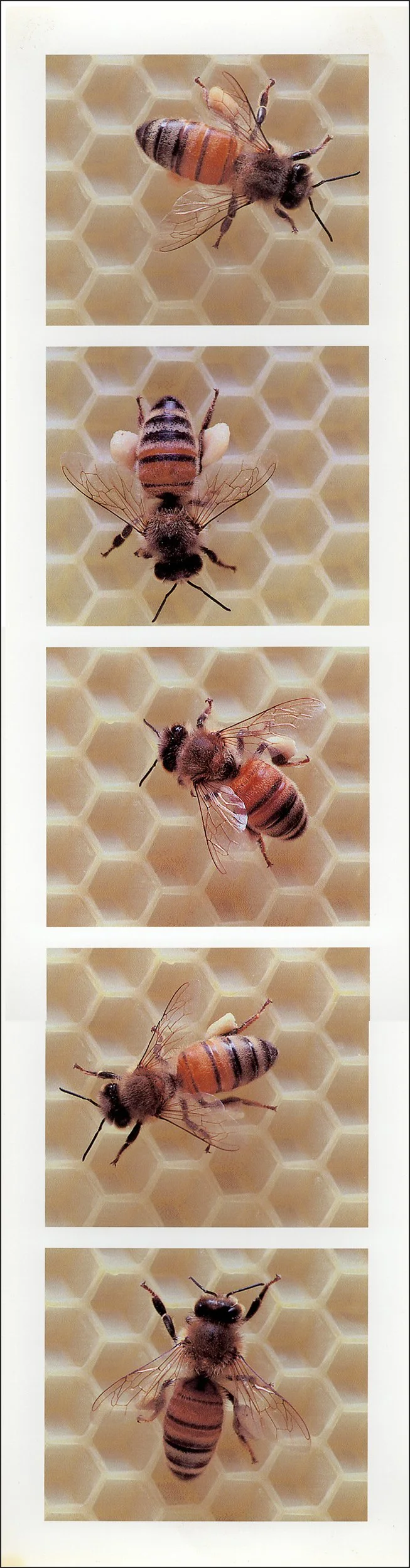
api-index 5.8, white pollen, 1999, digital print, 17"x4.5" all bees are sister/workers from one hive
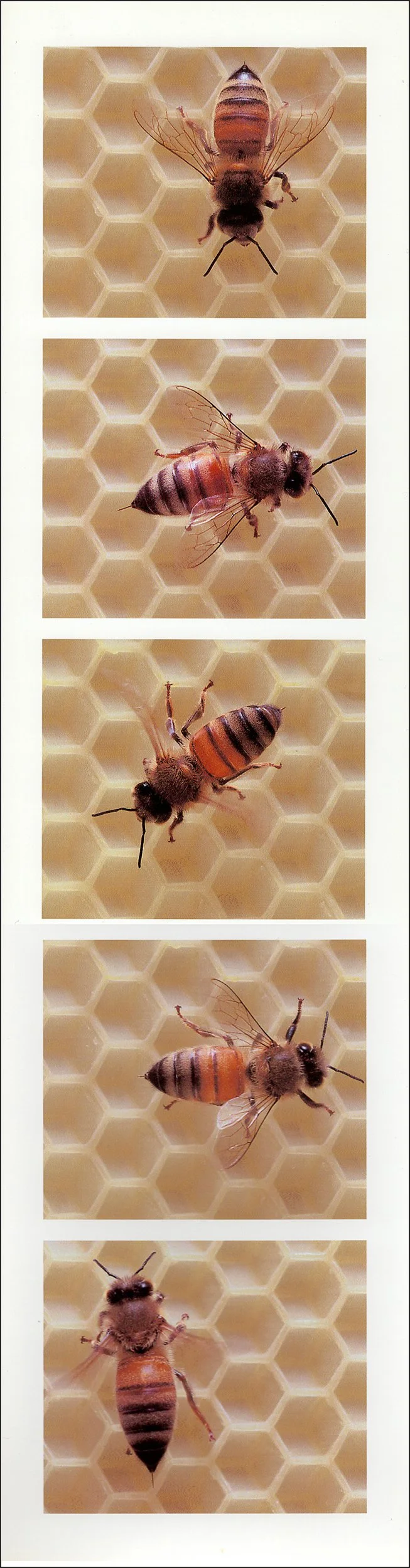
api-index 5.9, sting, 1999, digital print, 17"x4.5" all bees are sister/workers from one hive
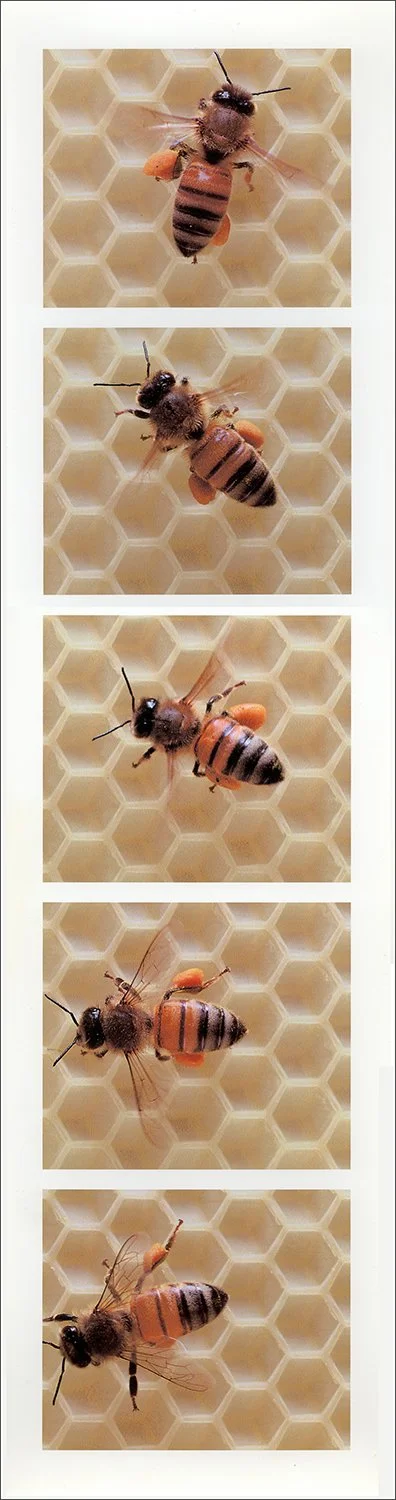
api-index 5.4, orange pollen, 1999, digital print, 17"x4.5" all bees are sister/workers from one hive
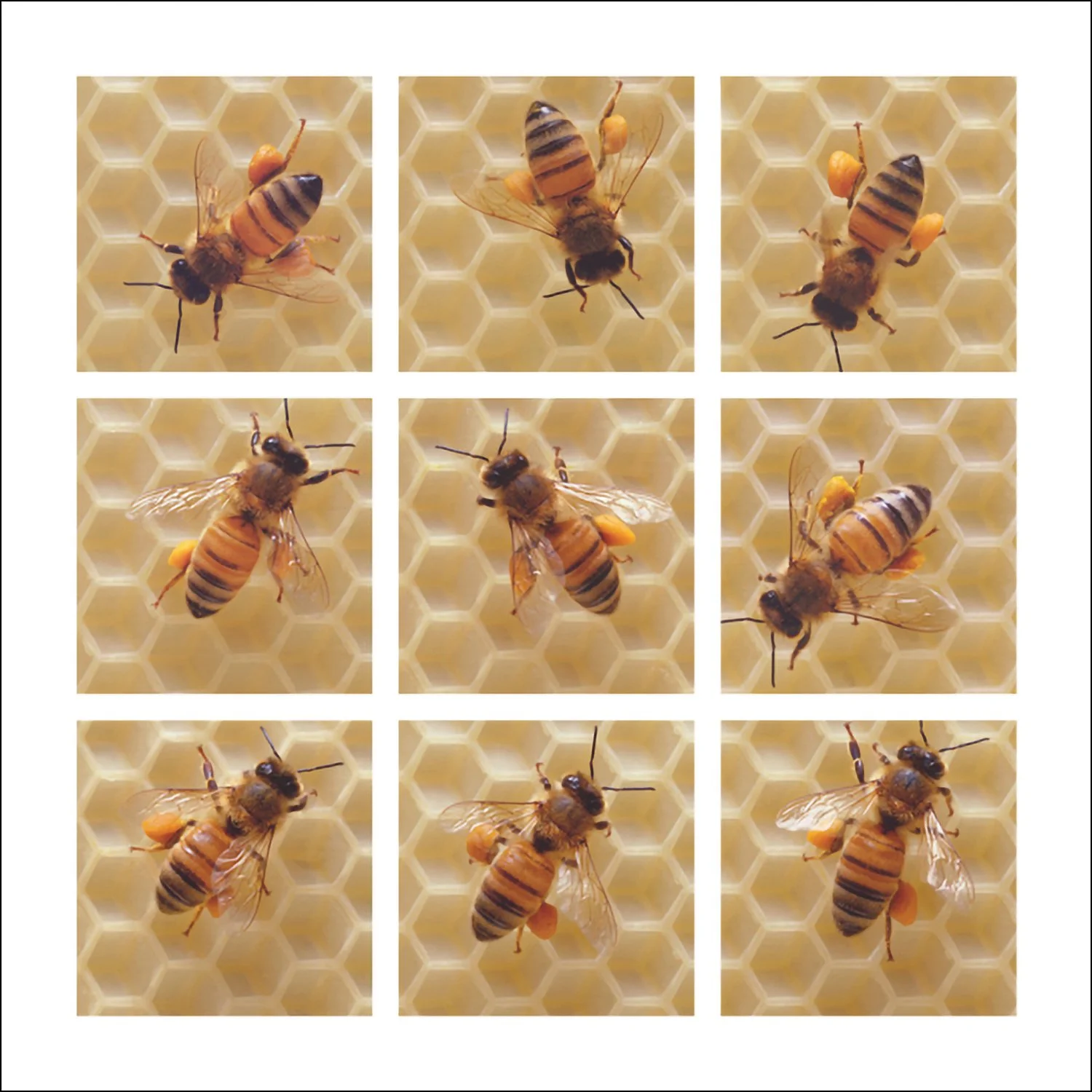
api-index 9.1.7, 1998, c-print, 30"x30", all bees are sister/workers from one hive, SOLD
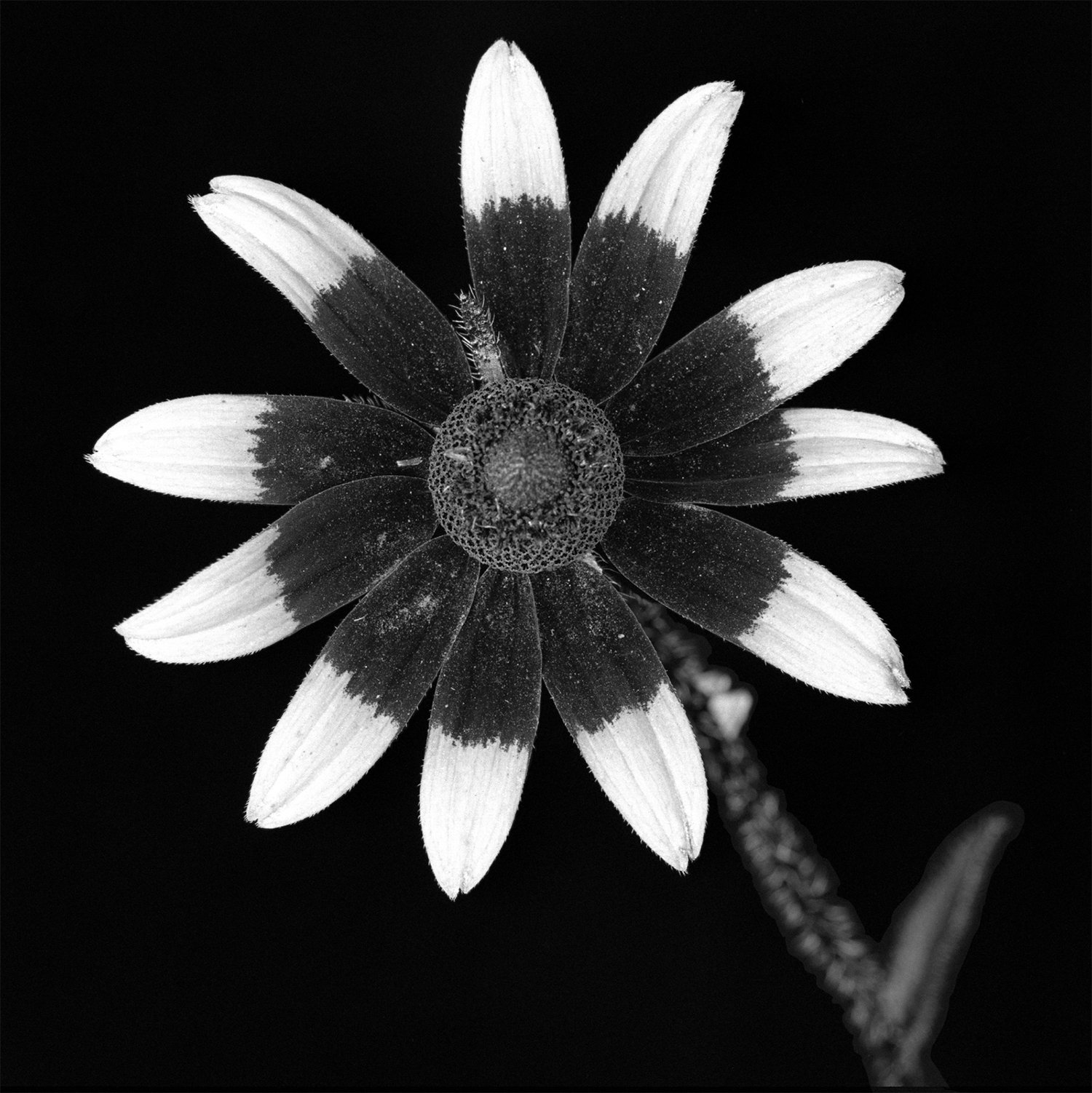
Ultraflower, blackeyed susan, 2000, archival inkjet, 16"x16" Ultraviolet light photograph, edition of 10
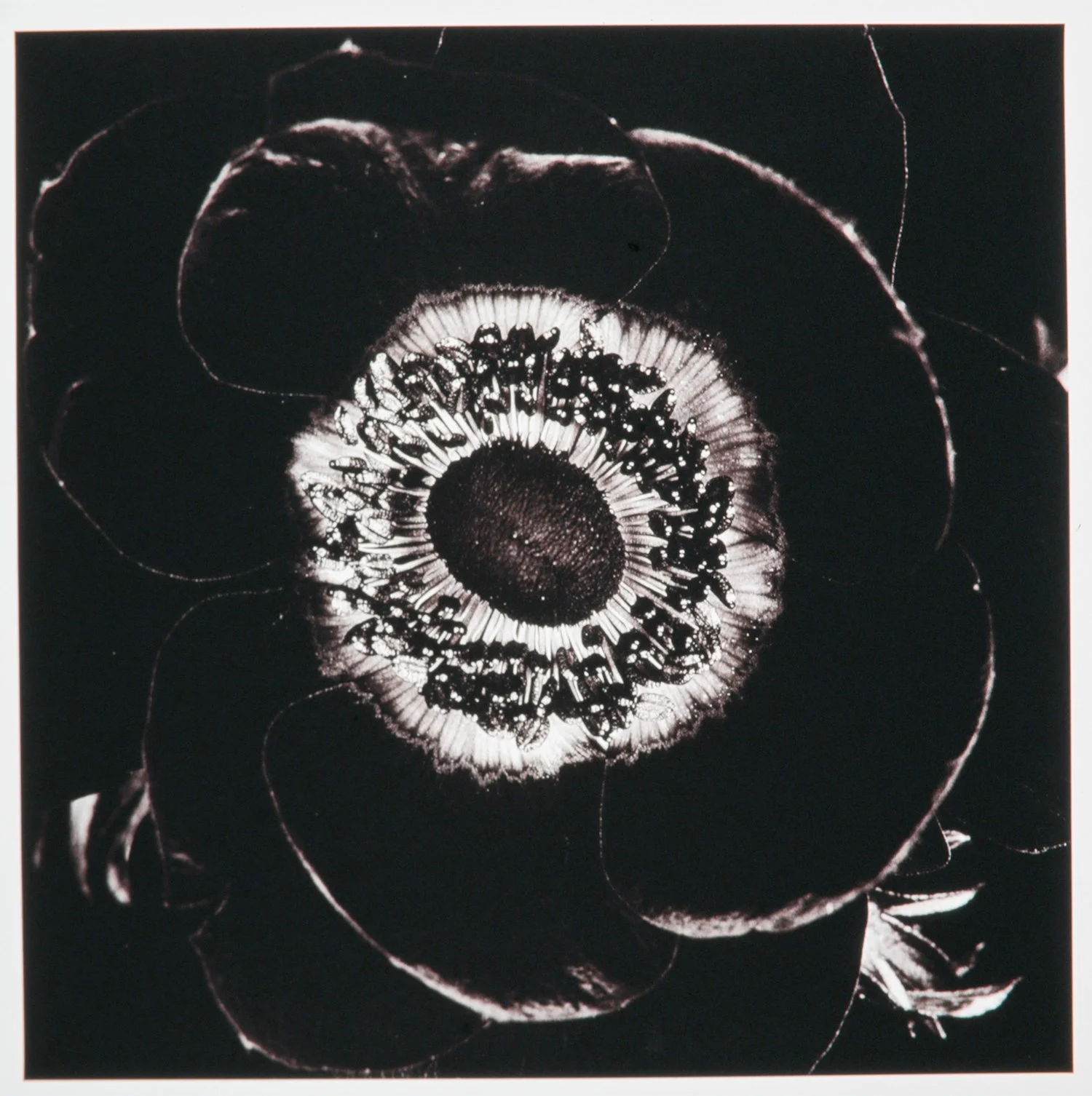
Ultraflower, anemone, 2000, archival inkjet, 16"x16" Ultraviolet light photograph, edition of 10
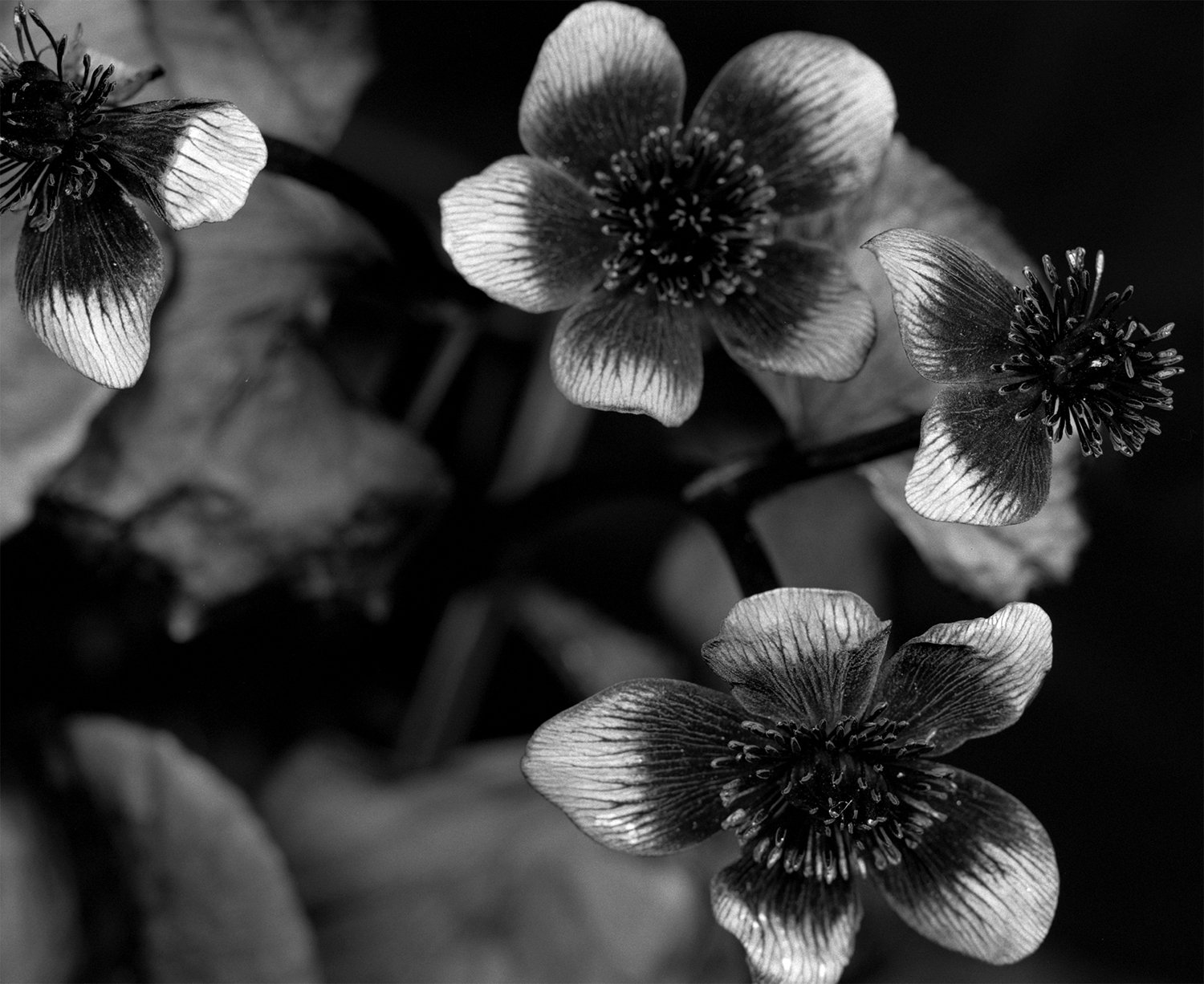
Ultraflower, marsh marigold, 2000, archival inkjet, 16"x20" Ultraviolet light photograph, edition of 10
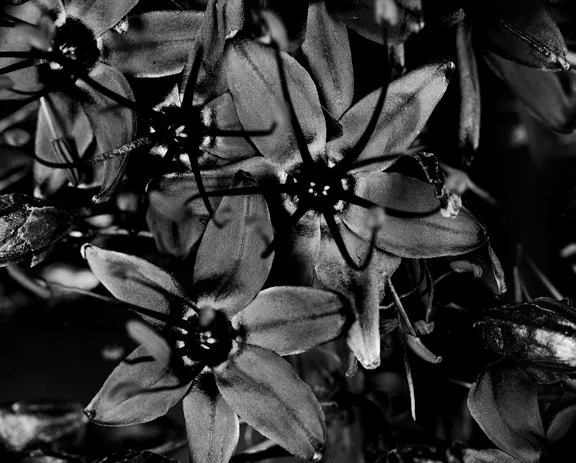
Ultraflower, foxglove, 2000, archival inkjet, 16"x20" Ultraviolet light photograph, edition of 10
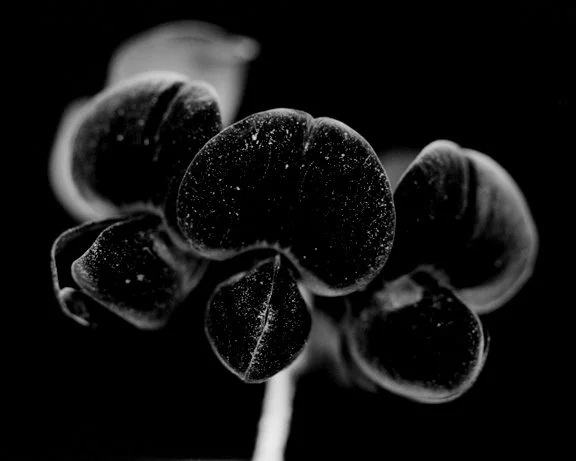
Ultraflower, birdsfoot trefoil, 2000, archival inkjet, 16"x20" Ultraviolet light photograph, edition of 10
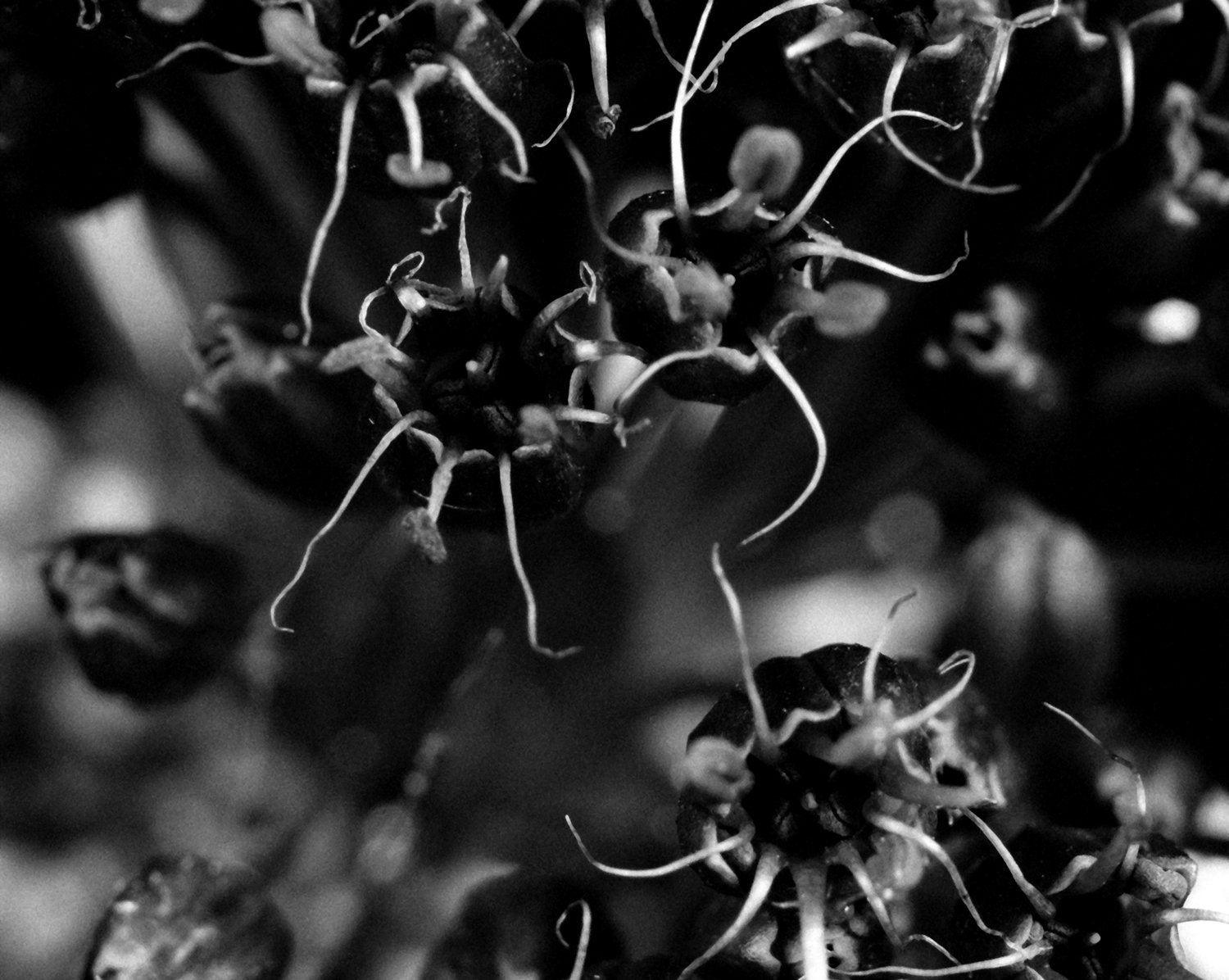
Ultraflower, garlic, 2000, archival inkjet, 16"x20" Ultraviolet light photograph, edition of 10
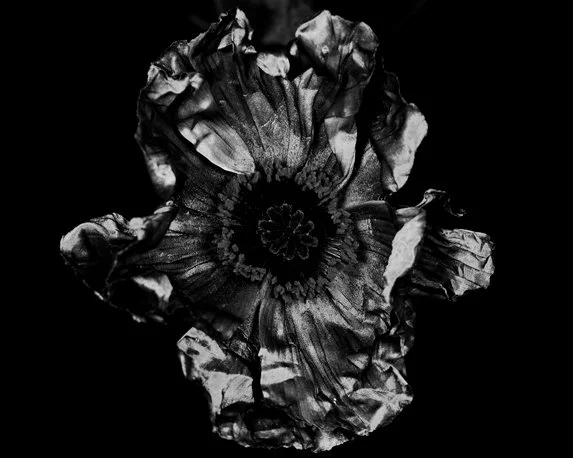
Ultraflower, poppy #2, 2000, archival inkjet, 16"x20" Ultraviolet light photograph, edition of 10
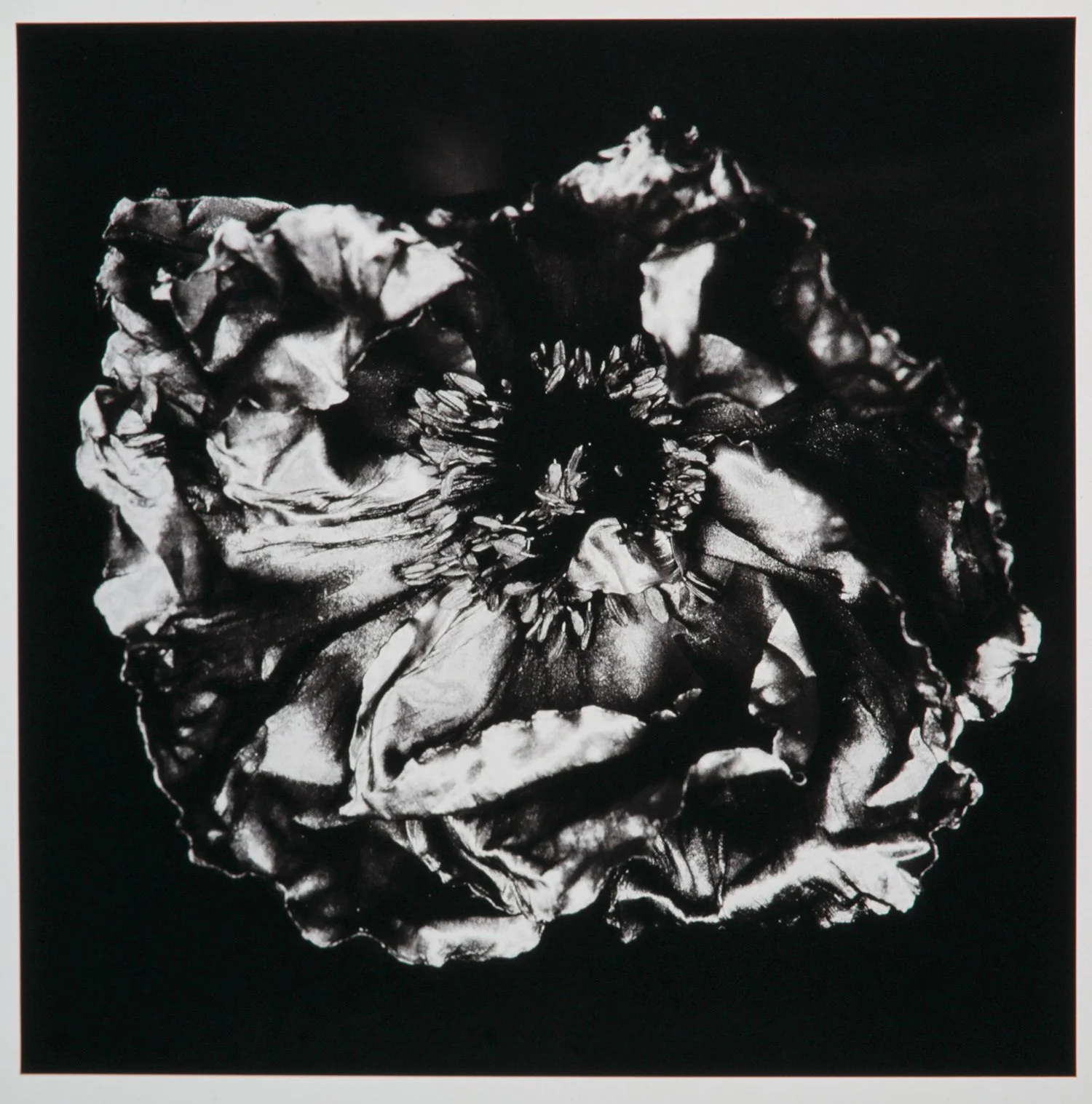
Ultraflower, poppy #1, 2000, archival inkjet, 16"x16" Ultraviolet light photograph, edition of 10
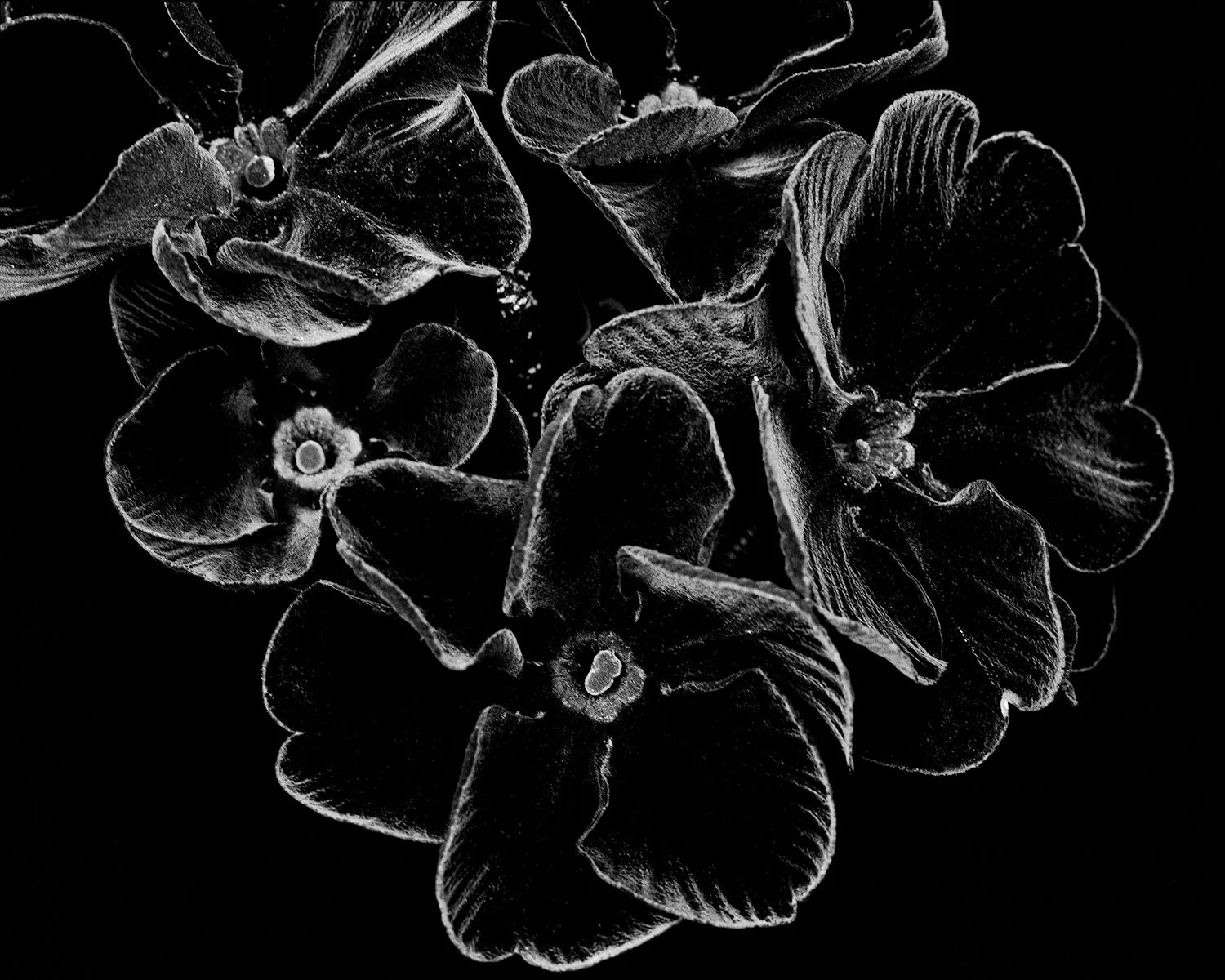
Ultraflower, primrose #2, 2000, archival inkjet, 16"x20" Ultraviolet light photograph, edition of 10
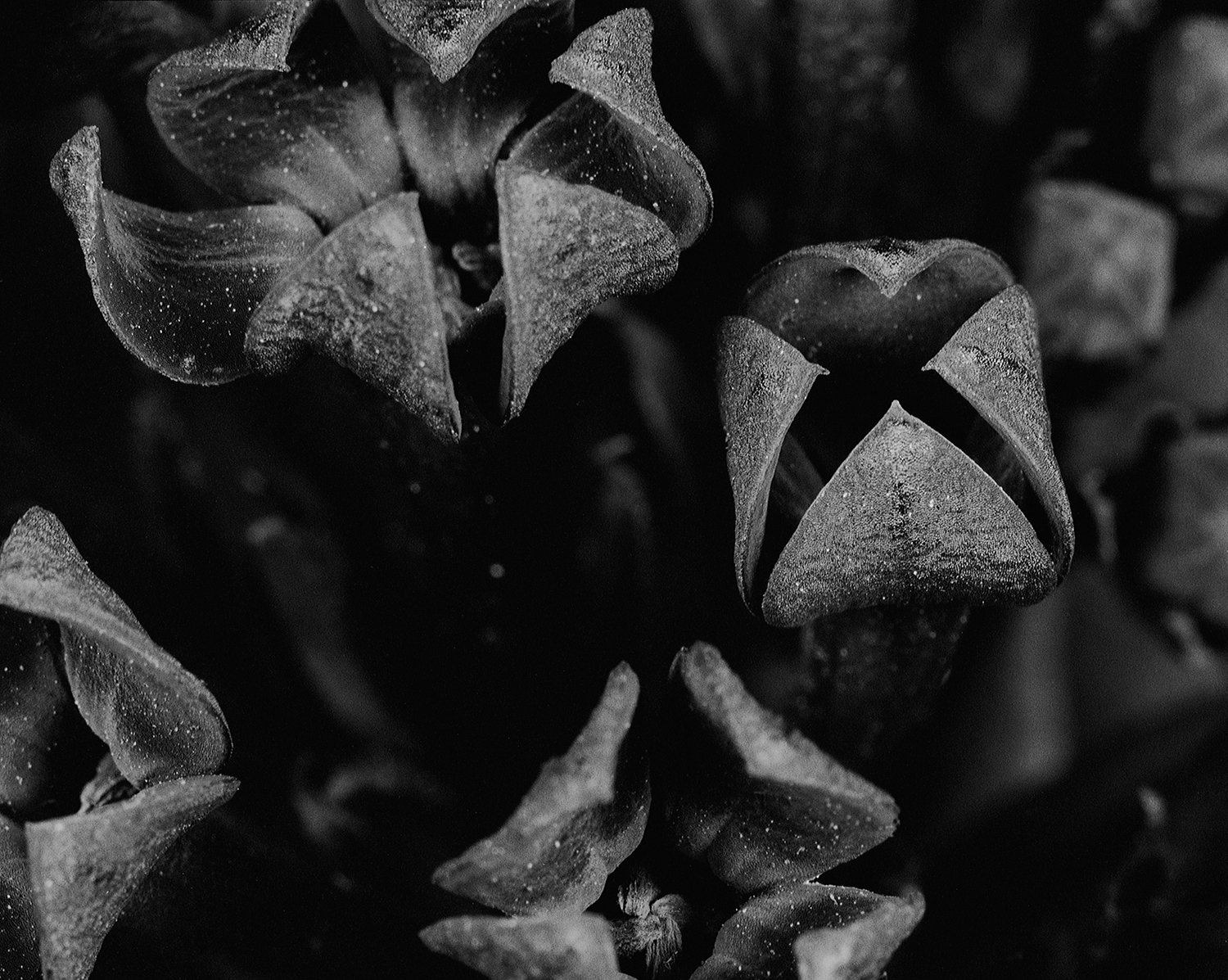
Ultraflower, hilsea, 2000, archival inkjet, 16"x20" Ultraviolet light photograph, edition of 10
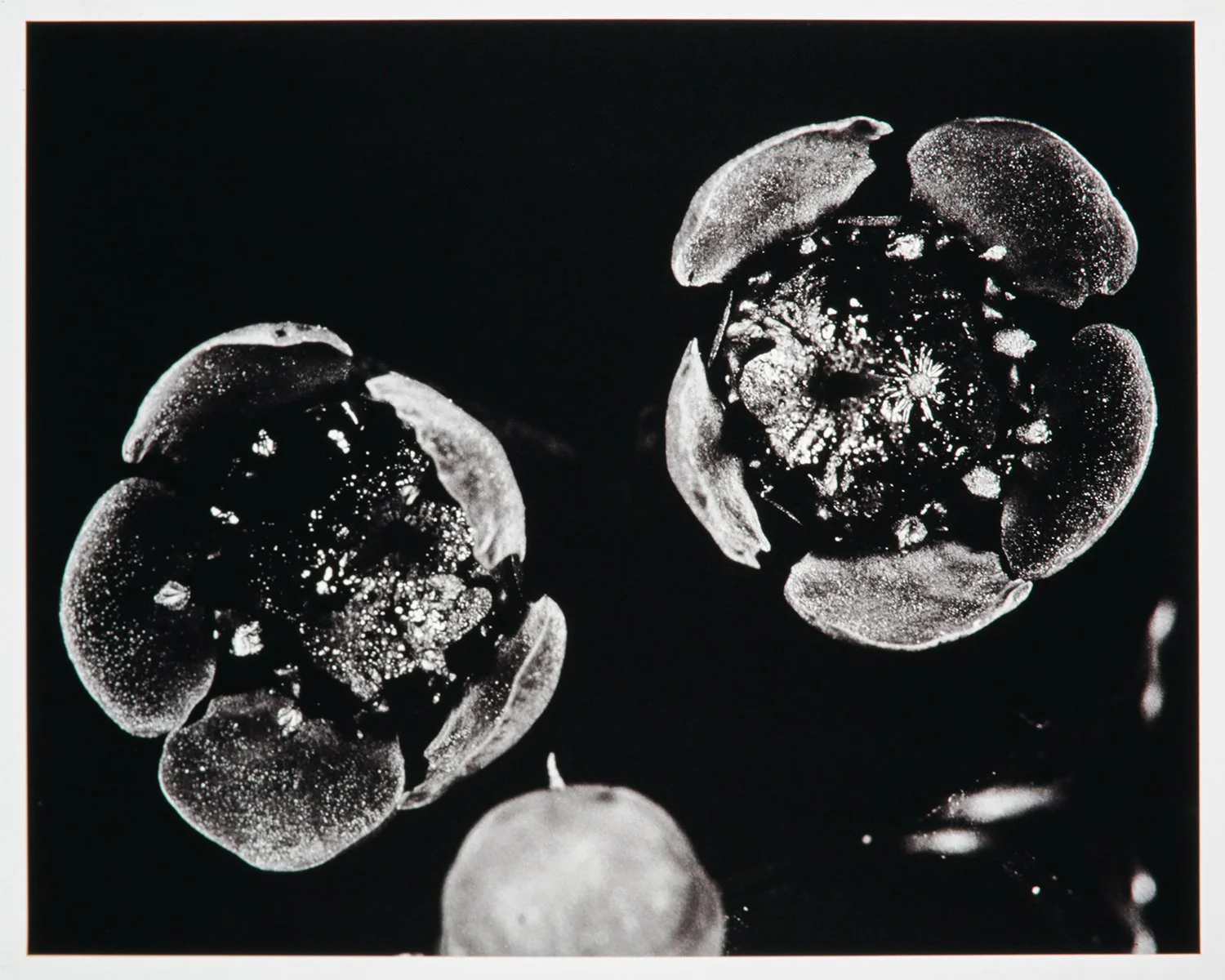
Ultraflower, wax flower, 2000, archival inkjet, 16"x20" Ultraviolet light photograph, edition of 10
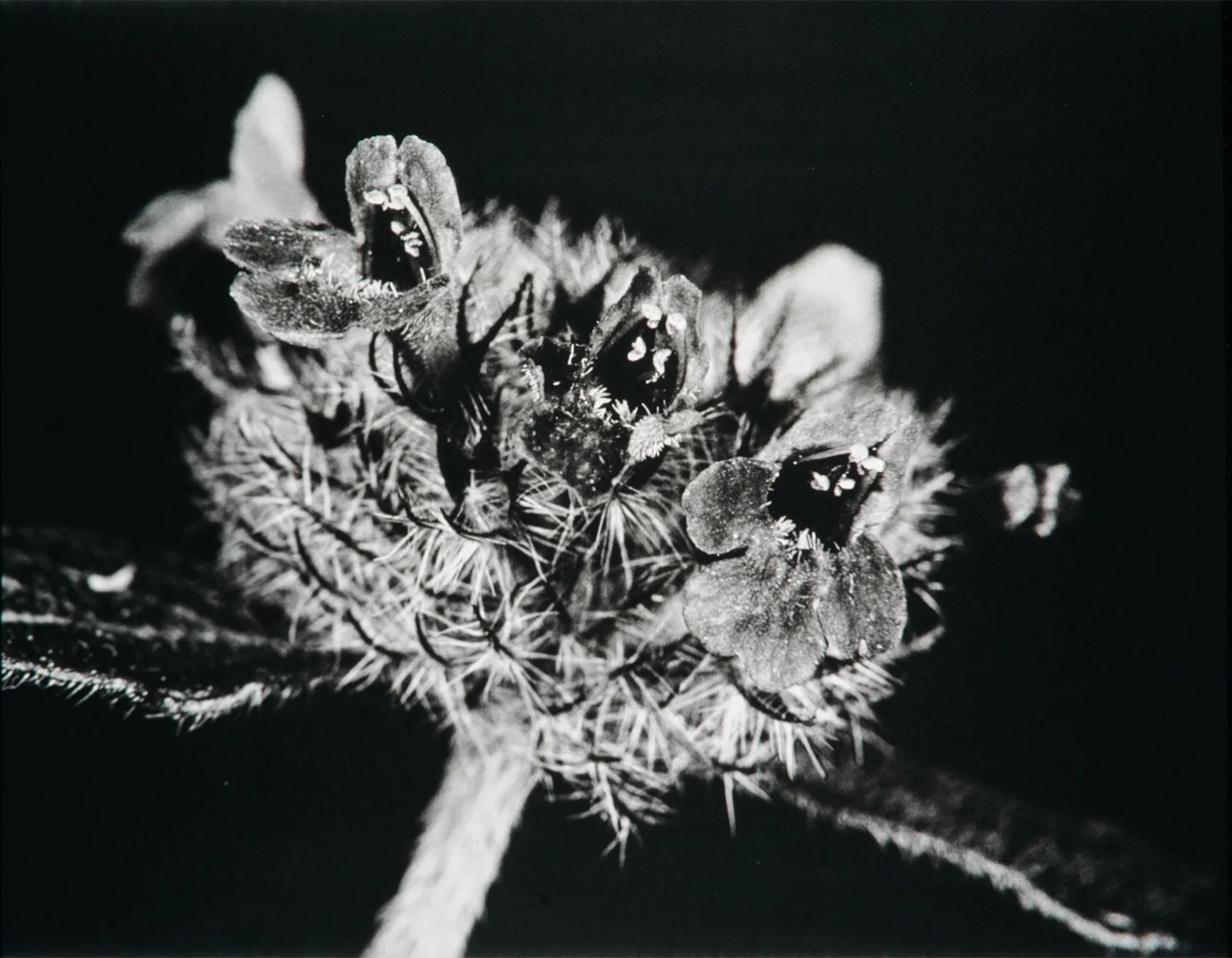
Ultraflower, wild basil, 2000, archival inkjet, 16"x20" Ultraviolet light photograph, edition of 10
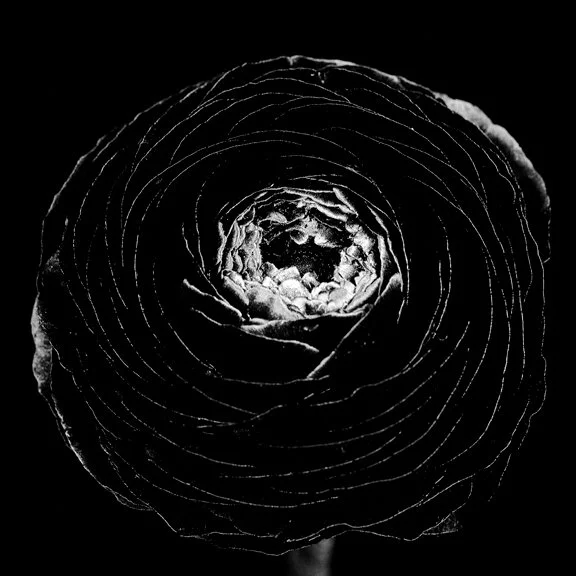
Ultraflower, ranunculus, 2000, archival inkjet, 16"x16" Ultraviolet light photograph, edition of 10
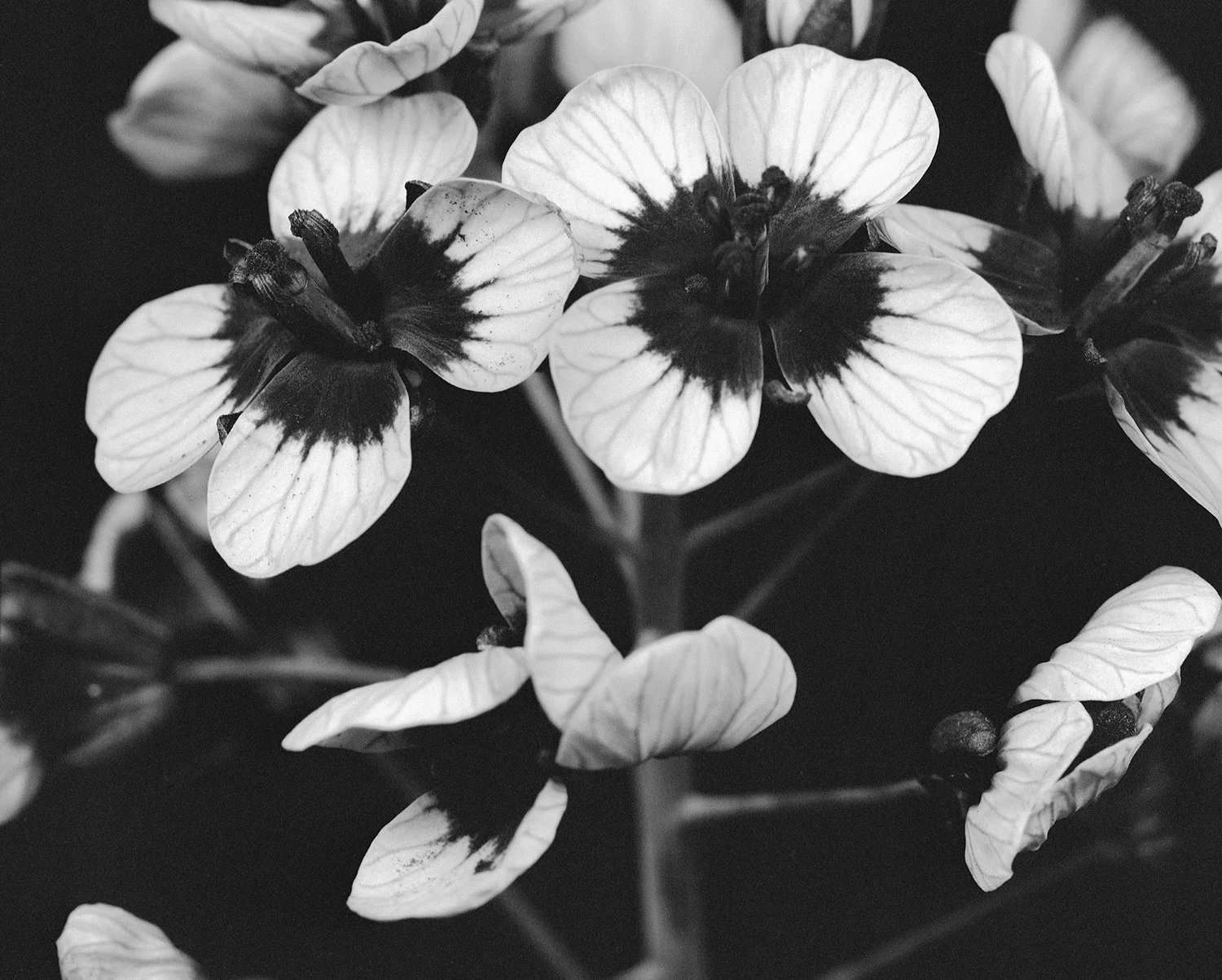
Ultraflower, garlic mustard, 2000, archival inkjet, 16"x20" Ultraviolet light photograph, edition of 10
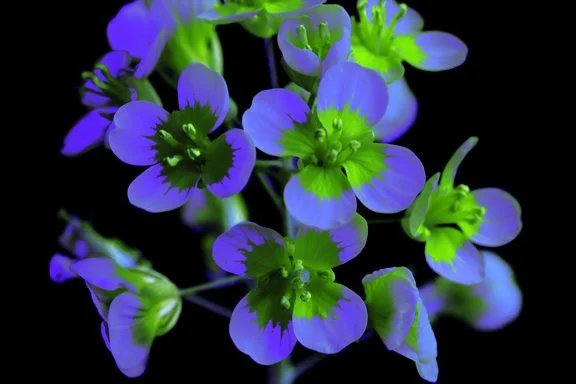
Apichrome, garlic mustard, 2000, digital c-print, 16"x20" TAKEN interpretation of bee vision based on ultraviolet and human spectrum photography
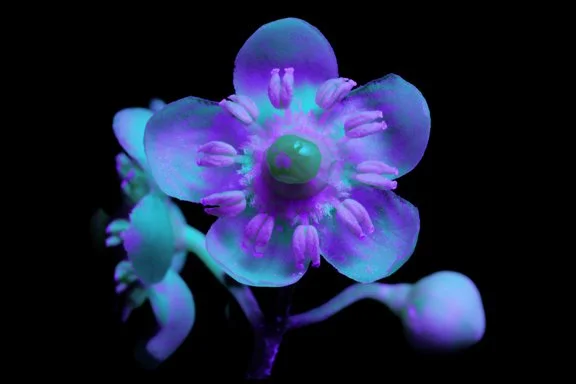
Apichrome, winterberry, 2000, digital c-print, 16"x20" TAKEN interpretation of bee vision based on ultraviolet and human spectrum photography
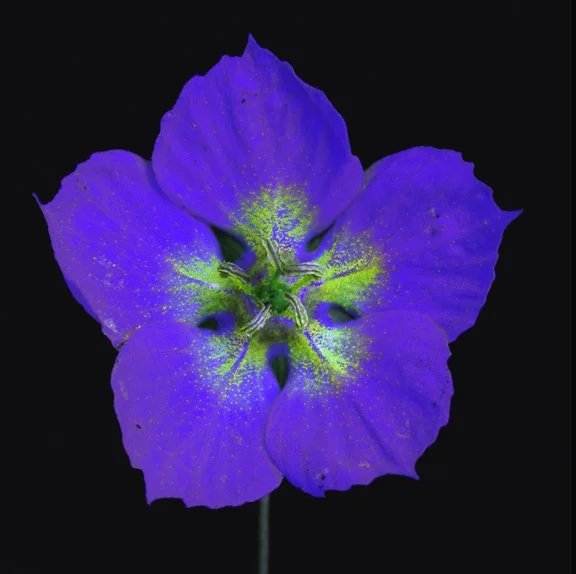
Apichrome, fringed loosestrife, 2000, digital c-print, 16"x16" TAKEN interpretation of bee vision based on ultraviolet and human spectrum photography
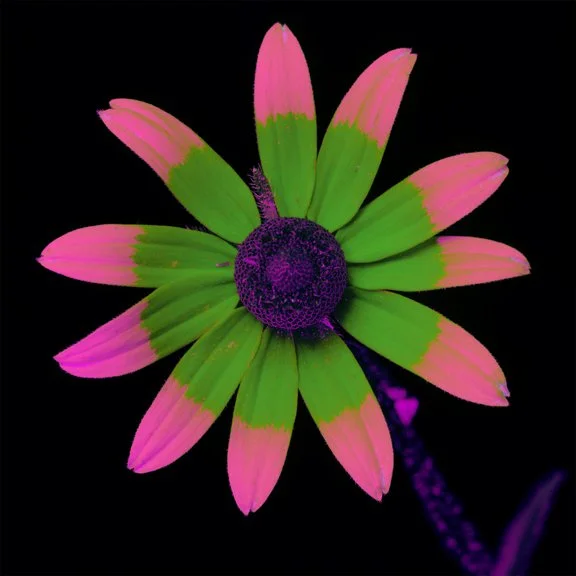
Apichrome, blackeyed susan, 2000, digital c-print, 20"x20" TAKEN interpretation of bee vision based on ultraviolet and human spectrum photography
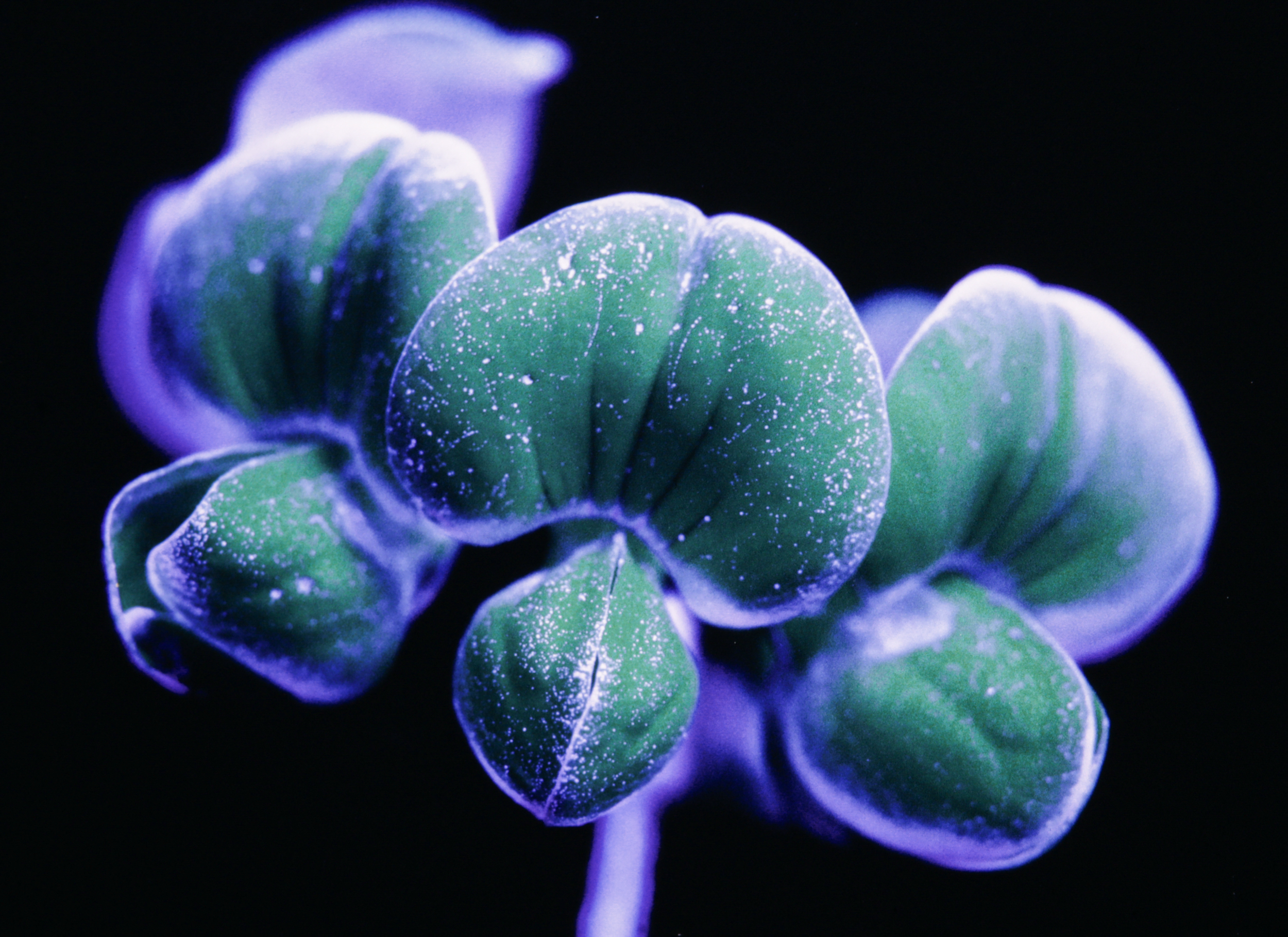
Ultraflower, birdsfoot trefoil, digital c-print, 16"x20"
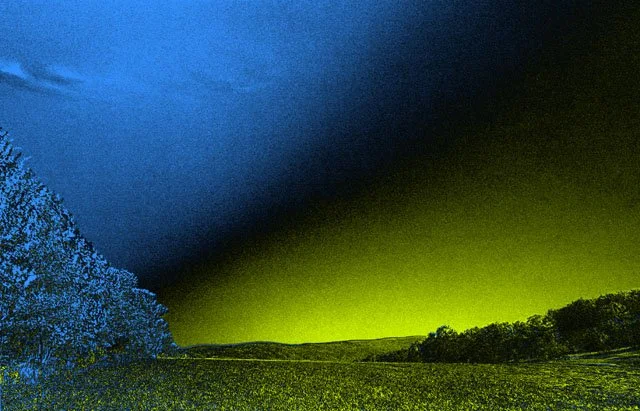
Polarized landscape #4, Collaboration with Matthew H. Smith, PhD Physics, 2002 The image was created from several digital images that were captured with polarizers. The images were then subject to mathematical post-analysis and synthesis. Some species, such as bees, use this polarized pattern as a navigational aid. The state of polarization is represented as color, revealing the striking pattern present in a clear blue sky.
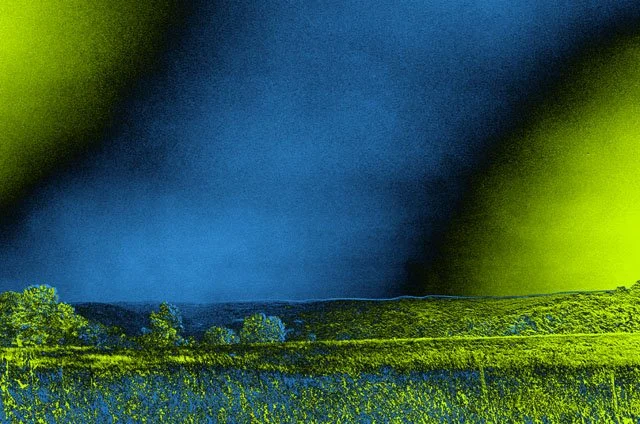
Polarized landscape #3, Collaboration with Matthew H. Smith, PhD Physics, 2002 The image was created from several digital images that were captured with polarizers. The images were then subject to mathematical post-analysis and synthesis. Some species, such as bees, use this polarized pattern as a navigational aid. The state of polarization is represented as color, revealing the striking pattern present in a clear blue sky.
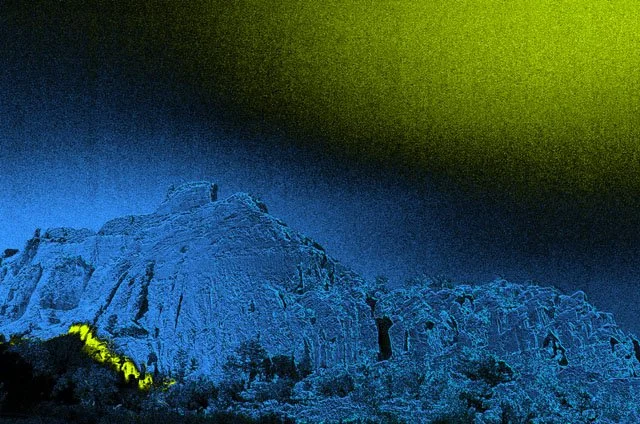
Polarized landscape #2, Collaboration with Matthew H. Smith, PhD Physics, 2002 The image was created from several digital images that were captured with polarizers. The images were then subject to mathematical post-analysis and synthesis. Some species, such as bees, use this polarized pattern as a navigational aid. The state of polarization is represented as color, revealing the striking pattern present in a clear blue sky.
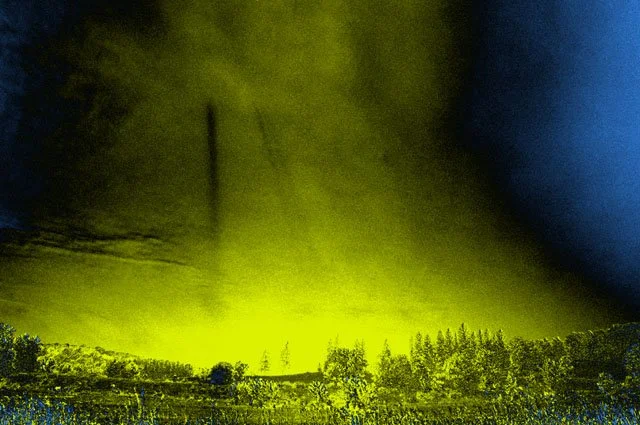
Polarized landscape #1, Collaboration with Matthew H. Smith, PhD Physics, 2002 The image was created from several digital images that were captured with polarizers. The images were then subject to mathematical post-analysis and synthesis. Some species, such as bees, use this polarized pattern as a navigational aid. The state of polarization is represented as color, revealing the striking pattern present in a clear blue sky.